

The Art and Science of Modeling: Unveiling the Glamorous World and Behind-the-Scenes Realities in Photoshoots
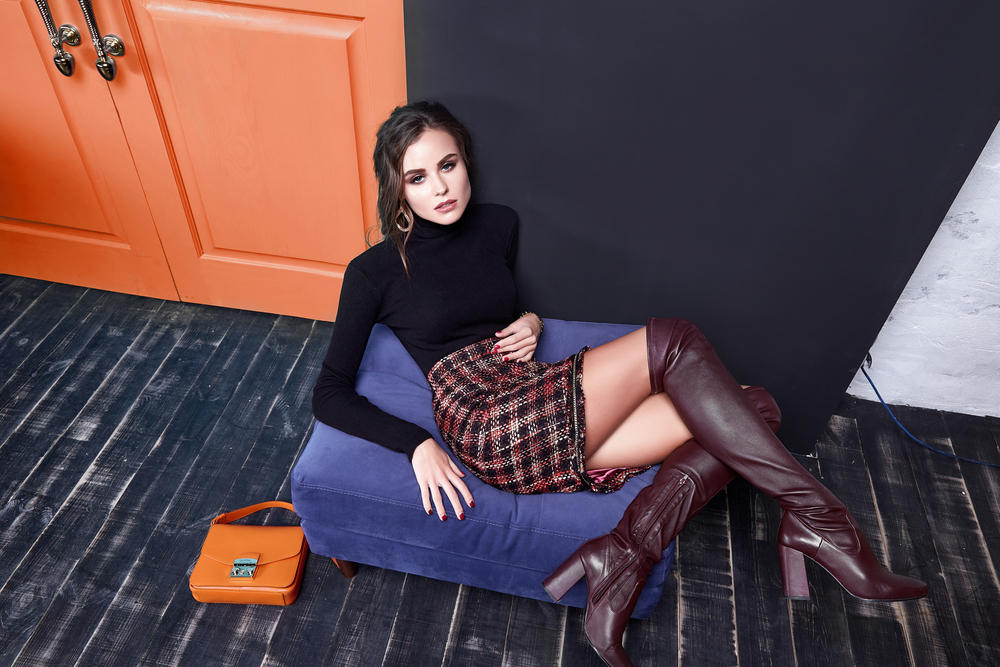
In the realm of fashion and photography, modelling is a vibrant profession that has captured the imaginations of people all around the world. It embodies grace, beauty, and the ability to bring life to the designer's creations. From high-fashion runways to glossy magazine covers, models effortlessly command attention, leaving us captivated by their poise and elegance. But what goes on behind the scenes? Is it all glamour and luxury, or is there a more intricate and challenging side to this industry? In this article, we dive deep into the fascinating world of modeling , exploring both the art and science behind successful photoshoots.
The Art of Modeling: Transcending Boundaries of Creativity
At its core, modeling is an art form. Models are the canvas on which designers drape their creations, breathing life into their visions. Just like painters, photographers capture these moments of artistry and present them to the world. Models use their bodies and expressions to convey emotions and stories, enabling audiences to connect with the clothes they wear. Every pose, gesture, and movement conveys a message, making modeling an interactive art that speaks directly to our hearts.
From the streets of Paris to the vibrant runways of New York Fashion Week, modeling is about being a living work of art. Models must possess impeccable posture, graceful movements, and the ability to captivate an audience. The art of modeling extends beyond simply walking down a runway or posing for a camera; it requires an innate understanding of the designer's vision and the ability to bring it to life through their body language.
The Science of Modeling: Skill, Stamina, and Perseverance
Behind the glitz and glamour lies a world of discipline, hard work, and determination. Modeling is not as effortless as it may seem. Maintaining an ideal physique, perfecting poses, and adapting to various working conditions are all part of the science of modeling. Models need to maintain a healthy diet, exercise regularly, and practice self-care to ensure they are camera-ready at all times.
Furthermore, modeling demands physical stamina. Photoshoots often involve long hours of standing and striking poses that might be physically demanding. The ability to maintain composure and energy throughout these extended sessions is crucial for success. In addition, models need to develop a thick skin to handle rejection and criticism, as the industry can be unforgiving at times.
The Reality Check: The Truth Behind the Scenes
While the finished photographs portray a glamorous and flawless world, the reality behind the scenes often reveals a different story. The creative process involved in a photoshoot is complex, involving a team of professionals collaborating to bring a vision to life. Makeup artists, hairstylists, fashion stylists, and photographers work tirelessly to ensure every detail is perfect. Models must be receptive to direction, adapting their poses and expressions to align with the artistic vision.
Moreover, photoshoots can sometimes be physically uncomfortable and challenging. Models may have to endure extreme weather conditions, precarious poses, and long hours of trial and error to achieve the desired shot. They often face tight deadlines and pressure to deliver flawless results, all while facing intense competition from fellow models for coveted assignments.
FAQs about Modeling:
1. What are the basic requirements to become a model?Becoming a model requires a combination of factors, including height, body proportions, and unique facial features. However, the industry has evolved to embrace diversity, and there are opportunities for models of various shapes, sizes, and heights.
2. Is modeling a full-time job?
Modeling can be both a full-time and part-time job, depending on the individual's commitments and the demand for their specific look.
3. How do models maintain their physique?
Models achieve and maintain their physique through a combination of healthy eating habits, regular exercise, and professional guidance from nutritionists and fitness experts.
4. Is a modeling career financially stable?
A modeling career's financial stability can vary greatly depending on the individual's success, demand for their look, and the industry's trends. Some models experience lucrative contracts, while others may have a more uncertain income.
5. How do models deal with rejection?
Rejection is a common occurrence in the modeling industry. Successful models learn to develop resilience, understanding that it is part of the process. Surrounding themselves with a strong support system helps them navigate and overcome these challenges.
In conclusion, while modeling may appear to be all glamour and glitz, it is an art form that requires a strong blend of creativity and discipline. Models are the living embodiment of the designer's visions, captivating audiences with their grace and style. The process of a photoshoot is an intricate collaboration, involving a team of professionals working together to create stunning visual narratives. Behind the scenes, it takes perseverance, hard work, and physical endurance to keep up with the demands of the industry. Models face challenges and rejection, requiring them to develop resilience and a strong support system. The world of modeling is an enchanting yet demanding one, blending the artistry of aesthetics with the science of dedication and passion.
Other useful resources
- https://en.wikipedia.org/wiki/Category:Models_by_modeling_agency
- https://en.wikipedia.org/wiki/Category:Modeling_(profession)
- https://www.planetmodelphoto.com
- https://en.wikipedia.org/wiki/Modeling_agency